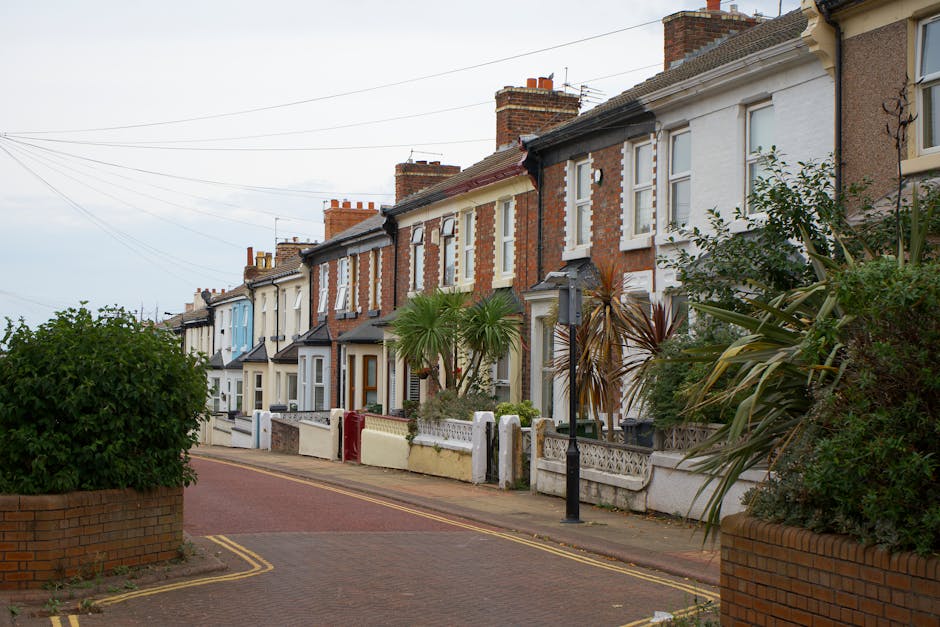
Gardeners for Randolph Gardens Maida Vale estate properties: a practical guide to reliable estate garden care
If you manage, own, or live within a Maida Vale estate, you already know the garden is never just "the garden". It is the first thing people see, the bit residents walk past every day, and the space that quietly shapes how the whole property feels. Gardeners for Randolph Gardens Maida Vale estate properties need to do more than cut grass and trim hedges; they need to keep shared spaces neat, safe, seasonally tidy, and easy to live with.
That sounds simple until you're dealing with boundary planting, awkward access, communal bins, resident expectations, and those little maintenance jobs that stack up faster than anyone expects. This guide breaks down how estate gardening works in practice, what good service looks like, where the common problems are, and how to choose the right approach for Randolph Gardens and similar Maida Vale properties. If you want a grounded, no-nonsense view of the work, you're in the right place.
Table of Contents
- Why Gardeners for Randolph Gardens Maida Vale estate properties Matters
- How Gardeners for Randolph Gardens Maida Vale estate properties Works
- Key Benefits and Practical Advantages
- Who This Is For and When It Makes Sense
- Step-by-Step Guidance
- Expert Tips for Better Results
- Common Mistakes to Avoid
- Tools, Resources and Recommendations
- Law, Compliance, Standards, or Best Practice
- Options, Methods, or Comparison Table
- Case Study or Real-World Example
- Practical Checklist
- Conclusion
- Frequently Asked Questions
Why Gardeners for Randolph Gardens Maida Vale estate properties Matters
Estate gardens in Maida Vale tend to carry a lot of weight. They are communal, visible, and often tied to the overall reputation of the building or development. A tidy planting scheme, a well-kept lawn, and sharp hedge lines can make an estate feel calm and cared for. Neglect does the opposite. It is a small thing, until it isn't.
For Randolph Gardens estate properties, reliable gardening matters because the work affects more than appearance. It influences access, safety, drainage, pest control, resident comfort, and even how much time the managing agent spends responding to complaints. A patch of unchecked growth might sound minor, but left alone it can block pathways, trap litter, and create that slightly shabby look that everyone notices and nobody wants to own.
There's also a practical London reality here: communal spaces get used hard. Wet weather, fallen leaves, heavy foot traffic, bin movement, and seasonal growth all put pressure on planting and hard landscaping. A good gardener understands that estate work is not a one-off tidy-up. It is steady, repeatable care.
Expert summary: for estate properties, the best gardening service is usually the one that is consistent, discreet, and easy to coordinate. Flashy isn't the goal. Reliable is.
That's why many property managers look for a service model that covers routine care, reactive visits, and occasional larger jobs such as clearances or hedge reductions. For a broader overview of what a provider can handle, it helps to look at the services overview and then narrow down the parts that matter most for the estate.
How Gardeners for Randolph Gardens Maida Vale estate properties Works
In practical terms, estate gardening usually begins with a site assessment. The gardener looks at the layout, access points, planting areas, lawn condition, hedge height, waste handling, and the frequency needed to keep everything under control. On a well-run estate, this assessment becomes the basis for a repeat schedule rather than a vague "we'll pop by when needed" arrangement.
Here's what the process usually includes:
- Initial walk-through: identifying lawns, borders, shared paths, hedges, trees, and any problem areas.
- Priority setting: deciding what needs routine maintenance and what needs an initial reset.
- Service planning: choosing weekly, fortnightly, monthly, or seasonal visits depending on the site.
- Task coordination: assigning mowing, trimming, clearance, pruning, or soft landscaping work.
- Waste removal: deciding how green waste, cuttings, and debris will be collected and recycled.
- Ongoing review: checking whether the estate is staying tidy between visits and adjusting the schedule if needed.
For many Maida Vale estates, the early work is the most important. A neglected hedge or overgrown border may need a reset before any routine plan can work properly. In those cases, a one-off clearance through garden clearance can give the site a clean starting point, after which regular maintenance keeps it there.
The best estate gardeners also work around residents. That means arriving at sensible times, keeping noise and mess down, and leaving access routes clear. To be fair, that sounds obvious, but anyone who has seen a mower left across a path mid-morning knows it still needs saying.
Key Benefits and Practical Advantages
Good gardening on a Randolph Gardens estate delivers several benefits at once. Some are obvious, some less so.
- Better kerb appeal: clean lines and healthy planting make the whole property feel more cared for.
- Lower long-term maintenance: regular trimming and mowing usually cost less over time than repeated rescue jobs.
- Safer shared areas: well-kept paths, sightlines, and borders reduce trip hazards and overgrowth issues.
- Better resident experience: people are generally more comfortable when communal spaces look orderly.
- Healthier plants: consistent pruning, feeding where appropriate, and seasonal care help beds and shrubs perform better.
- Less admin pressure: a clear maintenance schedule reduces avoidable calls, complaints, and last-minute chasing.
For example, if the lawn is cut at sensible intervals rather than left until it looks shaggy, the estate tends to look calmer all season. Same with hedges. A hedge trimmed regularly is quicker to manage than one allowed to surge outwards and then hacked back in one go. That's when it starts to look blunt and stressed.
Services such as lawn mowing and hedge trimming sound straightforward, but on shared properties they do a lot of heavy lifting. They shape first impressions, maintain boundaries, and reduce the amount of reactive work later.
Who This Is For and When It Makes Sense
This kind of service makes sense for a wide range of people, but the decision usually comes from one of a few places.
- Managing agents trying to keep the estate presentable without constant supervision.
- Freeholders and landlords who need external areas maintained to a dependable standard.
- Resident associations seeking a consistent, shared approach to communal spaces.
- Block managers dealing with complaints about overgrowth, litter traps, or neglected borders.
- Property owners preparing a building for viewings, inspections, or seasonal upkeep.
It also makes sense when a garden has moved beyond "routine tidy" territory. If the planting is mixed and the access is awkward, or if a previous contractor has only been doing the bare minimum, a more structured approach is needed. That is especially true for older estate settings where lawns, shrubs, and hard surfaces all sit close together.
A quick reality check: if your site has mature trees, multiple hedging runs, and shared use, it is usually better to treat gardening as an ongoing service rather than a seasonal panic. Why wait until midsummer turns the place into a jungle? Nobody enjoys that call.
Step-by-Step Guidance
If you're setting up or reviewing estate garden care, the simplest way to think about it is this: define the site, define the standard, then define the schedule.
- Map the space. List lawns, beds, hedges, shrubs, trees, planted entrances, and any hidden spots that collect debris.
- Decide what "well kept" means. For some estates, that means crisp and formal. For others, it means neat but low-maintenance.
- Identify the recurring jobs. Mowing, edging, hedge trimming, weeding, leaf collection, pruning, and seasonal cutbacks are common.
- Separate routine from occasional work. Routine work keeps the site stable; occasional work handles overgrowth, clearances, or planting changes.
- Check access and logistics. Consider where waste will be stacked, how equipment enters, and whether residents need advance notice.
- Set visit frequency. Weekly, fortnightly, or monthly schedules all make sense depending on growth and use.
- Review after the first few visits. Good estate maintenance often improves once the contractor sees how the site really behaves.
In many cases, the first visit includes more than you expect. A border might need cutting back before it can be maintained normally. A lawn may need edging and levelling of the routine. A hedge may need a stronger cut to bring it back into shape. That's normal. The key is not to treat that reset as the new normal.
Where planting and exterior surfaces need broader attention, landscape gardening or landscaping can help tidy up the overall estate presentation, especially where paths, planters, and borders all meet in one shared area.
Expert Tips for Better Results
Small decisions make a big difference on communal sites. A few practical habits go a long way.
- Keep hedge lines modest and manageable. Waiting until growth is dense and woody makes every cut slower and less clean.
- Use mowing frequency to control appearance. Short, regular cuts usually look better than dramatic occasional ones.
- Don't ignore edges. A lawn can be trimmed neatly, but if the edges are ragged the whole space looks unfinished.
- Plan around leaf fall. In autumn, clearance needs increase quickly. No mystery there.
- Use the right mix of routine and reactive work. A site that's always being "rescued" is usually under-serviced.
- Be clear about waste handling. Green waste should be removed or recycled in a way that matches the site's expectations.
Another useful tip: ask for a simple service breakdown. Not a novel, just enough detail to make responsibilities clear. If you know what happens every visit, what happens seasonally, and what counts as extra work, you avoid a lot of awkwardness later. And yes, awkwardness has a way of showing up exactly when residents are watching.
If the estate includes hard surfaces, small terraces, or communal timber features, it may also be worth considering decking services where relevant to the wider outdoor setting. Not every estate needs that, of course. But when it does, keeping the structure and planting plan aligned makes the whole space feel coherent.
Common Mistakes to Avoid
Most problems with estate garden care come from the same handful of mistakes. They're easy to make, especially when everyone assumes someone else is keeping an eye on it.
- Letting maintenance drift. A few missed visits can turn into a bigger recovery job.
- Assuming one-size-fits-all service. A small courtyard and a large communal estate are not the same job.
- Overcutting hedges or shrubs. Too much pruning at once can leave plants looking harsh and stressed.
- Ignoring waste logistics. Cuttings left in the wrong place quickly become messy and obstructive.
- Using vague instructions. "Tidy up the garden" is not enough for a multi-part communal site.
- Forgetting seasonal shifts. Spring growth, summer growth, and autumn leaf fall all need different responses.
There's also the quieter mistake of underestimating how visible estate work is. Residents notice when things are done well. They notice even more when they aren't. That doesn't mean perfection is required. It means consistency matters more than grand gestures.
Tools, Resources and Recommendations
The right tools depend on the site, but estate gardeners typically rely on a mix of maintenance equipment and practical planning tools. You don't need a flashy setup. You need the right tool for the right job, with enough resilience to handle repeated use.
Useful operational tools and resources include:
- Professional mowers for regular lawn work.
- Hedge trimmers and pruning tools for shaping boundaries and shrub lines.
- Leaf blowers or rakes for seasonal tidying and path clearance.
- Green waste bags or collection systems for efficient removal.
- Site notes or visit logs to keep track of issues and recurring tasks.
- Clear service schedules that show what happens each visit.
If you're reviewing a provider, it can be helpful to look at pages that explain the company's approach to operation and care. The about us page can tell you more about the people behind the work, while recycling and sustainability is useful if waste handling and greener practices matter to your estate.
For pricing clarity, a provider should be able to explain what is included, what counts as additional work, and how quotations are put together. The pricing and quotes page is the sensible place to check how that is handled before any work begins.
Law, Compliance, Standards, or Best Practice
Estate gardening is not usually a heavily regulated activity in the way construction or medical work might be, but that doesn't mean standards don't matter. In practice, good providers work to recognised UK expectations around safety, insurance, waste handling, access control, and professional conduct.
For shared properties, best practice usually includes:
- Safe operation of equipment around residents, visitors, and parked vehicles.
- Adequate insurance for work carried out on communal land.
- Careful handling of waste and recycling where appropriate.
- Respect for access arrangements and any building-specific rules.
- Clear communication about timing, scope, and any disruption.
If a gardener is working near trees, substantial branches, or overgrown woody material, caution is especially important. Tree-related work can need more specialist judgement than people expect. In those cases, a dedicated service such as tree lopping and removal may be more appropriate than routine maintenance alone.
It's also sensible to choose a provider that takes safety seriously on paper and on site. The pages on health and safety policy and insurance and safety are worth checking if you're assessing due diligence for an estate contract. No one wants a sloppy approach where a simple visit becomes a headache.
Options, Methods, or Comparison Table
Not every estate needs the same level of service. Some need light, regular maintenance. Others need a full reset before a steady upkeep plan can work. Here's a simple comparison to help you think it through.
| Approach | Best for | Strengths | Limitations |
|---|---|---|---|
| Routine maintenance only | Well-kept estates with manageable growth | Predictable, neat, cost-effective over time | May not solve existing overgrowth or layout issues |
| Clearance plus maintenance | Sites with build-up, neglect, or seasonal overwhelm | Creates a fresh starting point and restores order | Initial work can be heavier and more disruptive |
| Maintenance with landscape improvements | Estates needing visual upgrades or planting changes | Improves appearance and long-term usability | Requires more planning and usually a larger scope |
In plain English: if the estate is already in decent shape, routine care may be enough. If it's starting from behind, don't pretend a light mow will fix everything. Sometimes you need the reset first. Then the rhythm.
Case Study or Real-World Example
Imagine a typical Maida Vale estate with shared front lawns, a couple of narrow planting strips, boundary hedges, and a rear access route that residents use every day. The site looks fine in winter, but by late spring the hedges are spilling slightly into the path, the lawn edges are soft, and leaf litter from earlier months has collected near corners nobody really sees at first glance.
A sensible plan would start with a fuller tidy-up: cut back the hedges, clear the borders, restore the lawn edges, and remove accumulated waste. After that, the site could move to a more regular pattern of mowing and trimming. Maybe fortnightly in the active growing season, then reduced visits through the quieter months. Not rigid. Just responsive.
The noticeable change is not dramatic in the theatrical sense. It's calmer than that. Residents stop noticing the garden for the wrong reasons. The path feels wider, the entrance looks cared for, and the whole estate starts to hold itself together better. That is what good garden management often looks like. Quiet improvement.
A smaller but useful example: a hedge that is trimmed before it starts to encroach on lighting or sightlines tends to stay easy to manage. Leave it six weeks too long, and suddenly the job is heavier, slower, and harder to make neat. The difference is rarely the gardener's effort alone. Timing matters.
Practical Checklist
Before you appoint or review gardeners for Randolph Gardens Maida Vale estate properties, use this checklist to keep the conversation clear.
- Have the key garden areas been identified clearly?
- Do you know whether the site needs maintenance only, or clearance first?
- Is there a realistic visit frequency for the season?
- Are hedges, lawns, trees, and borders all included in the scope where needed?
- Has waste removal or recycling been discussed?
- Are access times, entry points, and resident disruption covered?
- Is there a process for dealing with urgent overgrowth or seasonal backlog?
- Has the provider explained safety and insurance arrangements?
- Do you know how pricing is structured?
- Is there a clear point of contact for changes, problems, or extra work?
Quick takeaway: if the service feels vague at the start, it usually becomes messy later. Clear scope now saves a lot of muddle. And everyone prefers a tidy morning to a scrambled one.
If you're ready to take the next step, speak to a local team that understands shared outdoor spaces and can explain its approach clearly. You can start by reviewing the company background on about us and then get in touch through contact us when you're ready to discuss the estate's needs.
Conclusion
Gardeners for Randolph Gardens Maida Vale estate properties play a bigger role than many people realise. They keep the estate visually balanced, help residents feel at home, reduce avoidable problems, and make property management less chaotic. Good work here is steady work. Consistent, sensible, and tailored to the way communal spaces actually function.
The strongest results usually come from a simple formula: understand the site properly, set the standard honestly, and keep to a maintenance rhythm that matches the season. Add in clear communication, careful waste handling, and a provider who takes safety and reliability seriously, and you're already ahead of most estates that drift from one tidy-up to the next.
Need one final thought? A well-kept estate doesn't shout. It just feels right when you walk through it.
Get a free quote today and see how much you can save.
Frequently Asked Questions
What do gardeners for Randolph Gardens Maida Vale estate properties usually do?
They normally handle recurring outdoor maintenance such as lawn mowing, hedge trimming, border care, seasonal clearance, and keeping communal areas tidy. On some sites, they also help with planting improvements or one-off reset work.
How often should an estate garden be maintained?
That depends on the size of the site, the amount of planting, and how quickly things grow. Many communal gardens need weekly or fortnightly attention during the growing season, then less frequent visits in quieter months.
Is garden clearance needed before regular maintenance starts?
Often, yes. If the garden has been left for a while, a clearance visit helps remove the backlog of cuttings, weeds, or overgrowth so routine maintenance can actually stay on top of the site.
What is the difference between landscaping and garden maintenance?
Garden maintenance keeps an existing space neat and healthy. Landscaping is broader and may involve changing the layout, improving surfaces, reworking planting areas, or adding new features. They overlap a bit, but they are not the same job.
Can gardeners help with hedges that are getting too large?
Yes, provided the work is suitable for routine trimming rather than specialist tree work. If the hedge is very tall, woody, or difficult to access, a more structured approach may be needed.
How do I know whether my estate needs lawn mowing or full garden maintenance?
If the main issue is grass height, mowing may be enough. If you also have weeds, edges, borders, hedges, or seasonal debris to manage, then full maintenance is usually the better fit.
Are estate gardeners expected to manage waste responsibly?
Yes. Good practice is to collect, remove, and recycle green waste where appropriate. A tidy finish matters, but so does what happens after the cuttings are made.
What should property managers ask before hiring a gardener?
Ask what is included, how often visits happen, whether clearance is needed first, how waste is handled, and what safety and insurance arrangements are in place. Clear questions usually lead to a clearer service.
Do I need a different service for tree work?
If the job involves substantial branches, height, or risk, then yes, it may need a dedicated tree service rather than routine garden care. Tree work deserves more caution than people often assume.
What signs show that my estate garden is being under-maintained?
Common signs include ragged hedge lines, overgrown paths, tired lawns, recurring leaf build-up, visible weeds in borders, and residents starting to complain about the same areas again and again.
How can I compare gardening providers fairly?
Compare the scope of work, visit frequency, communication, insurance, waste handling, and clarity of pricing. A cheaper quote is not always better if it leaves out half the jobs you actually need.
Why does local experience matter in Maida Vale estate gardening?
Local experience helps because estate gardens in this part of London often have tight access, shared areas, and specific resident expectations. A team that understands those realities is usually easier to work with and more dependable on site.