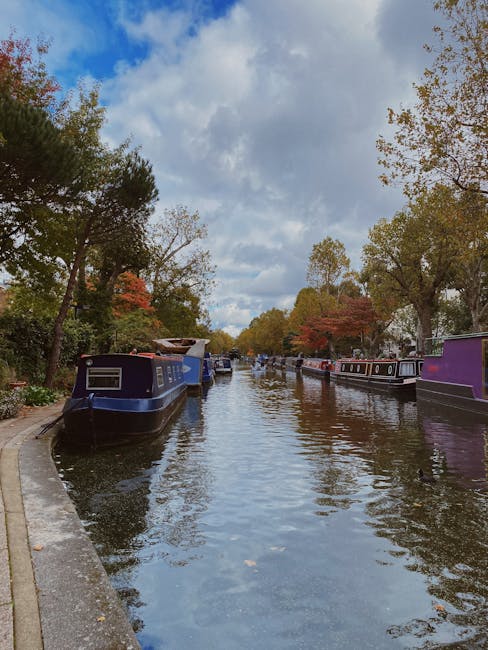
Little Venice garden services and maintenance near canals
Little Venice has a charm that is hard to fake. The water, the quiet towpaths, the mix of period homes and tucked-away green spaces create a setting where a garden needs to look good, but also cope with a few extra realities. If you are looking for Little Venice garden services and maintenance near canals, you are probably not just after a standard tidy-up. You want planting that suits shade and moisture, pruning that respects narrow access, and routine care that keeps everything neat without causing damage or disruption.
That is exactly where thoughtful local garden maintenance makes a difference. Near canals, gardens can feel a touch cooler, a bit windier, and sometimes more exposed to damp. Paths may be tighter, storage trickier, and access a little awkward. None of that is a problem when the work is planned properly, but it does mean the approach should be more careful than a one-size-fits-all service. In this guide, we will look at what canal-side garden care involves, how it works in practice, what to watch out for, and how to judge whether your garden needs light maintenance or a more involved reset.
If you are comparing broader support options, it can help to start with the main services overview and then narrow down to the type of work your garden actually needs.
Table of Contents
- Why Little Venice garden services and maintenance near canals Matters
- How Little Venice garden services and maintenance near canals Works
- Key Benefits and Practical Advantages
- Who This Is For and When It Makes Sense
- Step-by-Step Guidance
- Expert Tips for Better Results
- Common Mistakes to Avoid
- Tools, Resources and Recommendations
- Law, Compliance, Standards, or Best Practice
- Options, Methods, or Comparison Table
- Case Study or Real-World Example
- Practical Checklist
- Conclusion
- Frequently Asked Questions
Why Little Venice garden services and maintenance near canals Matters
Canal-side gardens are a little different from a standard city garden. The setting is lovely, yes, but the conditions can be less forgiving. More shade from buildings and trees, pockets of damp, seasonal leaf fall, and awkward access routes all shape what a garden needs. If you ignore those details, even a well-designed space can start to look tired fast. Moss creeps in. Borders get straggly. Pots become waterlogged. A hedge that was fine in summer can suddenly feel like it is closing in on the path.
That is why maintenance near canals is not just about mowing a lawn and cutting back a few plants. It is about keeping the whole space healthy, safe, and usable. In Little Venice, where outdoor space is often precious and visible, a small lapse can have an outsized impact. One overgrown shrub or a slippery step can change how the whole property feels. Let's face it, nobody wants a beautiful garden that becomes something you only admire from indoors.
There is also the question of restraint. A good canal-side garden should suit the character of the area. Heavy-handed work can strip away softness and make a place feel harsh. The better approach is to keep growth in check while preserving texture, colour, and seasonal interest. That balance is the real skill.
Expert summary: Near the canals, the best garden maintenance is usually measured, regular, and site-aware. It protects access, prevents small issues from becoming expensive ones, and keeps the garden looking intentional rather than constantly "caught up with."
How Little Venice garden services and maintenance near canals Works
In practice, garden services in Little Venice tend to start with a simple assessment. A good gardener will look at what is growing, how the light moves across the space, where water collects, how easy it is to bring tools in and out, and whether the garden is mainly decorative, family-friendly, rental-ready, or used for entertaining. That first look matters more than people think.
From there, the work is usually split into maintenance tasks and any larger improvement work. Routine maintenance may include lawn mowing, edging, weeding, deadheading, pruning, hedge trimming, leaf clearance, feeding, and keeping paths clear. If the garden needs a fuller reset, you may need support with garden clearance, landscape gardening, landscaping, or structural features such as decking.
Because canal-side access can be tighter than average, logistics also matter. Waste bags may need to be moved carefully. Machinery has to be chosen with access in mind. Some gardens simply are not suited to bulky kit, and that is fine. Smaller, quieter tools can be more practical and less disruptive. In a place like Little Venice, that often feels more respectful too.
If trees are part of the picture, it is wise to approach them carefully. Overgrown branches can block light, shed debris into beds, or create issues with neighbouring plots. In those cases, a service such as tree lopping and removal may be relevant, though only where genuinely needed and handled with care.
Some gardens also need hard-landscape attention. Slippery deck boards, tired edging, or a damaged timber structure can undermine the whole space. Where that is the case, a well-planned decking service can help restore both appearance and usability.
Key Benefits and Practical Advantages
The obvious benefit is that the garden looks better. But the real value goes deeper than appearance. Good maintenance near canals supports the long-term health of the space, keeps small problems from spreading, and helps you use the garden properly through the seasons.
- Better plant health: Pruning, feeding, and tidying at the right time can help plants resist damp-related stress and overcrowding.
- Safer access: Keeping paths, steps, and edges clear matters in narrow canal-side gardens where a minor trip hazard can quickly become a real annoyance.
- Improved light and air flow: A trimmed hedge or thinned shrub layer often makes a garden feel brighter and less cramped.
- Less weekend catch-up work: Regular maintenance is usually easier than periodic rescue jobs. Truth be told, the garden behaves better when it is looked after steadily.
- Better curb appeal: In a visible area like Little Venice, a tidy garden quietly supports the whole property.
- More usable outdoor space: When overgrowth is controlled, you gain back seating areas, paths, and planting beds that were starting to disappear.
There is also a practical money-saving angle, though it is best not to oversell it. Preventive care is often cheaper than a neglected-garden overhaul. A hedge trimmed on schedule costs less hassle than a hedge that has been left to fight for the whole season. The same is true for lawns, borders, and trees.
Who This Is For and When It Makes Sense
This kind of service is useful for a surprising range of people. Homeowners with compact courtyard gardens often need help keeping things orderly without losing the relaxed feel of the space. Landlords and letting agents may want reliable maintenance between tenancies, especially if the outdoor area affects the first impression. Residents with busy schedules may simply need the garden to stay manageable, not perfect.
It also makes sense if your garden sits close to water, shaded paths, or neighbouring boundaries where plants can spread quickly. If the space is sloping, awkwardly accessed, or full of mature planting, you will usually get better results from a gardener who understands how to work carefully in place rather than forcing standard methods into a less standard setting.
Another common scenario is after a period of neglect. Maybe winter has done its thing. Maybe you have just moved in. Maybe the garden was fine until the growth took off and suddenly, one rainy week later, it feels like a different place. That is normal. Very normal, actually.
If the job is more about bringing a space back under control than routine upkeep, a dedicated garden clearance may be the sensible first step before regular maintenance begins.
Step-by-Step Guidance
Here is a practical way to approach canal-side garden care without making it more complicated than it needs to be.
- Walk the garden properly. Look for blocked paths, dead growth, waterlogging, loose paving, hanging branches, and signs of pest or mildew issues.
- Separate urgent problems from cosmetic ones. A slippery step matters more than a patch of untidy planting. Deal with safety and access first.
- Decide what the garden is for. A social garden, a rental garden, and a quiet planted retreat all need different priorities.
- Set a maintenance rhythm. Weekly, fortnightly, monthly, and seasonal tasks should be realistic for the space and the level of growth.
- Choose the right scope of work. A light tidy, hedge trim, lawn care visit, or fuller redesign all serve different goals.
- Plan waste removal early. In tighter spaces, green waste can build up fast and become part of the problem.
- Review after the first visit. One good session tells you a lot about what the garden actually needs going forward.
For many gardens, a recurring maintenance plan works best. If the lawn is central to the look of the space, pairing routine visits with lawn mowing can keep the whole garden feeling sharper without requiring a major intervention every time.
If hedges are swallowing light or narrowing the walkway, hedge trimming is often one of the highest-value tasks you can do. It changes both the look and the feel of the garden. Smaller, but surprisingly powerful.
Expert Tips for Better Results
Canal-side gardens reward a bit of restraint. Overworking the space can make it look neat for a week and stressed for months. Better to work with the site than against it.
- Prune for shape, not just size. A light, well-timed prune often looks better than a hard cut that leaves everything blunt and thin.
- Use planting that can handle the setting. Shade-tolerant and moisture-aware plants usually hold up better than thirsty sun-lovers planted into a cooler microclimate.
- Keep drainage in mind. Pots and raised beds near water can stay wetter for longer. Check them, especially after heavy rain.
- Stay on top of leaf fall. It sounds minor, but leaves left on paths or lawns can become slick and ugly very quickly.
- Cut back with the season in mind. Winter structure and summer softness are not the same thing. The garden changes, so the work should too.
- Think in layers. Ground cover, shrubs, climbers, and vertical features can create interest in smaller spaces without crowding the garden.
One useful habit is to keep a little note after each visit: what has grown fastest, where moss is forming, which bed dries out, and what keeps getting in the way. It sounds almost too simple, but that tiny record can stop the same issue cropping up month after month.
And yes, sometimes the answer is just "trim the thing before it becomes a beast." Gardens have a sense of humour like that.
Common Mistakes to Avoid
Most garden problems near canals do not begin with one huge mistake. They build up through small, repeated oversights. A bit too much watering here, a missed trim there, and suddenly the garden starts working against you.
- Letting growth run too long: This is the classic one. The bigger the delay, the more stressful and disruptive the fix.
- Using the wrong plants for the microclimate: A bright, dry-border planting scheme may struggle in a damp, shaded setting.
- Ignoring access limits: Narrow entrances, shared walkways, and limited storage can make heavy equipment a poor fit.
- Overwatering containers: In cooler or shaded spots, pots can stay wet longer than expected.
- Forgetting hard surfaces: A garden is not just planting. Paths, steps, and decks need care too, particularly where moisture lingers.
- Making everything "look clean" but not healthy: A hard shearing can leave hedges thin and stressed. Clean is not always the same as well maintained.
Another common issue is treating the garden as if it were detached from the setting. Near the canals, surroundings matter. Reflections, shade, airflow, and moisture all shape how the garden behaves. If you ignore those conditions, the garden usually reminds you quite quickly.
Tools, Resources and Recommendations
You do not need a van full of fancy kit to maintain a Little Venice garden properly. In many cases, the best tools are the ones that allow precise, quiet, careful work. That can mean sharp hand tools, a reliable mower for smaller lawns, a good blower or rake for leaf fall, and pruning equipment suited to the scale of the plants rather than the size of the job.
For fuller maintenance work, the right mix of tools depends on the space. A dense border calls for hand weeding and selective cutting. A long hedge needs steady, even trimming. A neglected plot might need clearance before you can even see the real layout. There is no single setup that fits every garden, and that is fine.
As a homeowner or property manager, it helps to think in terms of service categories rather than one-off fixes. The main practical areas often include:
- routine garden maintenance
- lawn mowing and edging
- hedge trimming and pruning
- garden clearance after neglect or seasonal buildup
- landscaping improvements for layout and usability
- tree lopping or removal where safety or light access is affected
If you are planning broader changes, it is worth looking at landscape gardening or wider landscaping support, especially where the existing layout is awkward, patchy, or simply not making the best use of a compact outdoor space.
For peace of mind on the practical side of hiring, pages such as insurance and safety and health and safety policy are useful indicators that the provider takes the work seriously and carefully.
Law, Compliance, Standards, or Best Practice
For garden services near canals, the main point is not to drown in legal detail; it is to work safely and sensibly. In the UK, garden and landscaping work may involve duty-of-care issues, safe handling of tools, proper waste management, and care around shared access areas. If work affects trees, boundaries, paving, or shared routes, it is wise to check local requirements and property boundaries before starting.
Near water, a cautious working method is just common sense. Slips, trips, and dropped tools are more than an inconvenience when access is tight or surfaces are damp. Good practice usually means clear walkways, safe stacking of materials, careful lifting, and avoiding rushed cuts close to edges or public routes. That is especially true in busier residential pockets where neighbours, visitors, or delivery access may be nearby.
Waste removal should also be handled properly. Green waste can often be recycled or composted, but it should be transported and disposed of in line with normal local expectations. If sustainability matters to you, ask how cuttings, branches, and clearance waste are managed. A responsible approach to disposal is a good sign. Plain and simple.
It is also sensible to understand the terms of service before any work begins. If you are comparing providers, pages like terms and conditions, payment and security, and recycling and sustainability can give a clearer picture of how the work is handled, billed, and completed.
Options, Methods, or Comparison Table
Choosing the right type of garden support depends on how much work the space needs. Here is a simple comparison that may help.
| Approach | Best for | What it includes | Typical upside |
|---|---|---|---|
| Routine maintenance | Gardens that are already in decent shape | Mowing, weeding, trimming, tidying, seasonal care | Keeps the garden stable and manageable |
| One-off tidy-up | Gardens that have got away from you a bit | Heavy tidying, clearance, cutting back, waste removal | Fast visual improvement and regained access |
| Focused specialist work | Problem areas like hedges, trees, or lawns | Targeted trimming, mowing, tree work, surface care | Solves specific issues efficiently |
| Full landscaping | Outdated, awkward, or underused gardens | Replanning, planting, hardscape upgrades, layout changes | Improves the whole feel and function of the space |
Most Little Venice gardens do well with a mixture of routine care and occasional specialist attention. That mix keeps the space attractive without turning every visit into a big project. If the garden is mainly functional, regular maintenance may be enough. If it is underused or poorly arranged, a more structural rethink can pay off surprisingly quickly.
Case Study or Real-World Example
Picture a small canal-side garden with a narrow path, a patchy lawn, climbing plants, and two shrubs that have grown so well they now argue with the light. Nothing dramatic. Just the sort of garden that looks fine from the kitchen window until you try to sit outside with a cup of tea and realise the chair barely fits.
The first visit would usually focus on clearing the path, reducing the hedge line, removing dead material, and checking the lawn. The second phase might involve shaping the border, refreshing mulch, and deciding whether a few plants are simply in the wrong place. If the decking is weathered, that might be addressed as part of a later improvement. If one tree is casting heavy shade across the bed, it may need attention too, but only after a careful look at the wider effect on the space.
What changes most in a case like this is not just appearance. The garden becomes usable again. Light reaches the seating area. The path feels wider. The space sounds different too, oddly enough, because you no longer hear the scrape of branches against railings or feel that "we should really sort this out" tension every time you step outside.
That is the real win. Not perfection. Just a garden that feels calm and looked after.
Practical Checklist
Use this checklist before booking or scheduling work.
- Check whether the garden needs maintenance, clearance, or a bigger redesign.
- Walk the space and note access points, narrow areas, and any slippery surfaces.
- List the most urgent issues first: safety, access, light, and drainage.
- Decide whether you want a one-off visit or an ongoing maintenance plan.
- Ask how waste will be removed and whether green material will be recycled.
- Confirm whether specialist work is needed for hedges, lawns, trees, or decking.
- Check that the provider explains their approach clearly and works carefully around shared access.
- Review practical details such as pricing, payment, and service terms before work begins.
- Think about how the garden should look in spring, summer, and after leaf fall.
- Keep a simple record of what was done, what still needs attention, and what to do next.
If you are comparing providers, it can also be useful to read about pricing and quotes so you know what level of detail and transparency to expect. No surprises is a good rule, honestly.
Get a free quote today and see how much you can save.
Conclusion
Little Venice gardens near the canals ask for a thoughtful kind of care. Not overdone, not neglected, just properly managed with the setting in mind. When maintenance is planned around shade, damp, access, and the rhythm of the seasons, the garden becomes easier to enjoy and far less stressful to keep in shape.
Whether you need a simple tidy, ongoing maintenance, hedge work, clearance, or a more substantial landscaping change, the best results usually come from starting with the space as it is, not the space you wish it were. That way, the work feels realistic, and the garden has room to improve without losing its character.
And if you are standing at the back door wondering where to begin, begin there: with one clear look, one small decision, and one practical step. Gardens respond to that kind of care. They really do.
Frequently Asked Questions
What makes canal-side garden maintenance different in Little Venice?
Gardens near canals often deal with more shade, more damp, tighter access, and faster moss or leaf buildup. That means maintenance needs to be a bit more measured and site-aware than in a typical open garden.
How often should a Little Venice garden be maintained?
It depends on the planting and use of the space, but many gardens benefit from regular visits during the growing season. Busy, visible, or compact gardens often need more frequent attention than larger, lower-maintenance spaces.
Do I need garden clearance or ongoing maintenance?
If the garden is overgrown, cluttered, or hard to use, clearance is usually the right first step. Once it is back under control, ongoing maintenance keeps it from slipping back into that state.
Can gardeners work in narrow access gardens near the canals?
Yes, but access needs to be planned properly. Smaller tools, careful waste handling, and a clear route in and out make a big difference in tighter Little Venice plots.
What services are most useful for canal-side gardens?
Lawn mowing, hedge trimming, pruning, weeding, leaf clearance, and seasonal tidy-ups are often the core services. Some gardens also need landscaping, tree work, or decking repairs and upgrades.
Are shady canal-side gardens harder to maintain?
They can be. Shade changes how plants grow, how quickly soil dries, and how much moss or algae appears on hard surfaces. The good news is that the right planting and routine care make a huge difference.
Can landscaping improve a small Little Venice garden?
Absolutely. Small gardens often benefit from better layout, smarter planting, and subtle hardscape changes. Even a modest redesign can make the space feel larger and easier to use.
Is hedge trimming important near shared paths or water?
Yes. Overgrown hedges can reduce light, narrow access, and make a garden feel crowded. Regular trimming helps the space stay safe, neat, and more welcoming.
What should I ask before booking garden services?
Ask what is included, how waste is handled, whether the work is suitable for your access, and whether the service is a one-off or ongoing arrangement. It is also sensible to review pricing and service terms.
Do canal-side gardens need different plants?
Often, yes. Plants that tolerate shade, periodic damp, and slightly cooler conditions tend to perform better. A well-chosen plant palette usually means less struggle later on.
How do I know if a tree is affecting my garden?
If a tree blocks too much light, drops excessive debris, or makes an area feel cramped, it may be part of the problem. A careful assessment is important before any tree work is done.
What is the best first step if my garden has been neglected?
Start with a clear assessment and remove the obvious buildup first. Once the garden is visible again, it becomes much easier to decide whether you need maintenance, clearance, or a larger improvement plan.
For a friendly, practical next step, you can also learn more about the team's background and approach, or use the contact page if you are ready to talk through your garden and see what it needs.